Iron in borewell water: signs, risks and how an iron filter fixes it
Orange stains, a metallic taste and water that turns rusty on standing all point to dissolved iron.
Iron is one of the most common contaminants in borewell and groundwater. It is usually dissolved and invisible when the water first comes out, then turns the water orange or brown once it meets air.
Signs of iron in your water
- Orange or brown stains on tiles, sinks, toilets and laundry.
- Water that looks clear at first but turns rusty on standing.
- A metallic taste in tea, coffee and cooked food.
- Slimy or reddish deposits in tanks and cisterns.
Why it matters
Iron does not usually pose a serious health risk at typical levels, but it stains fabrics and fixtures, affects taste, clogs pipes and fittings, and can foul the resin in a water softener if it is not removed first.
How an iron removal filter works
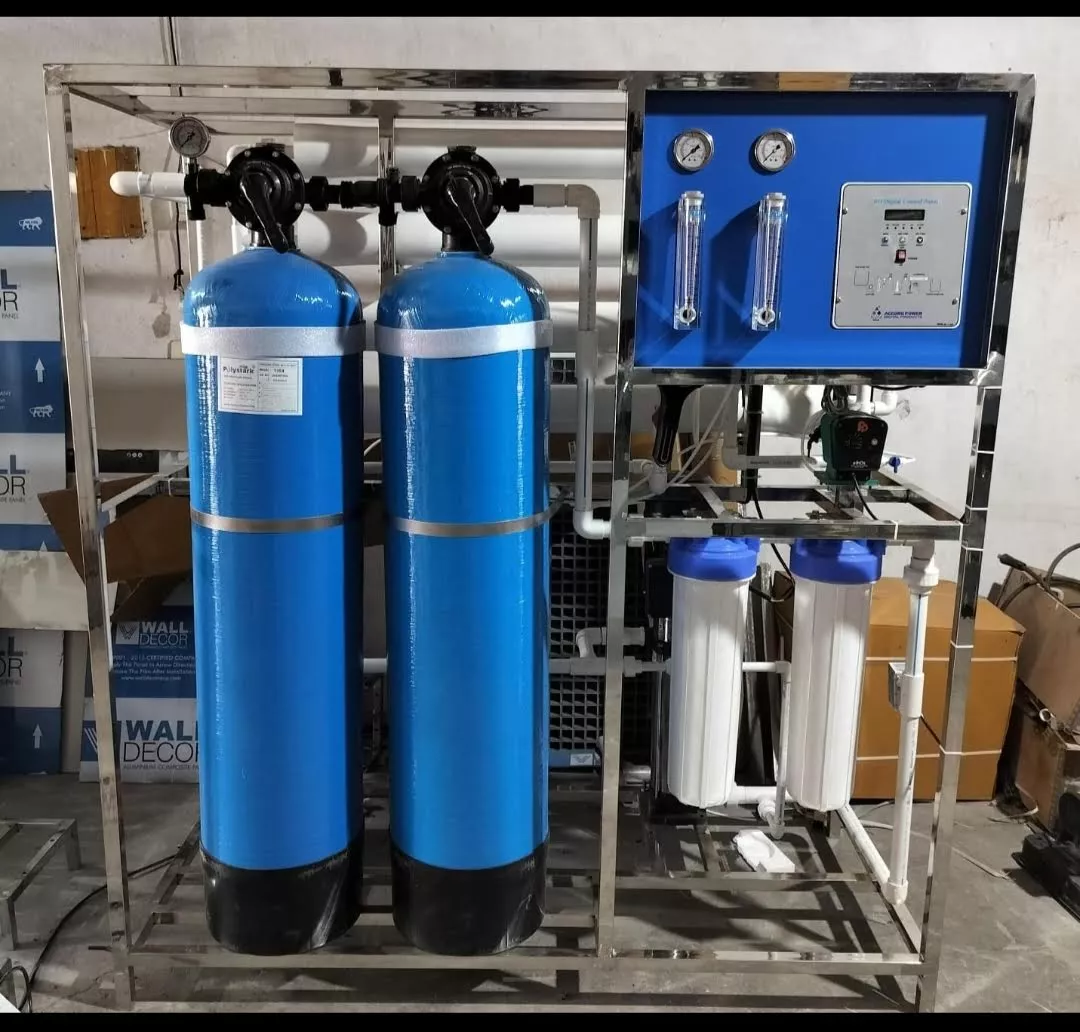
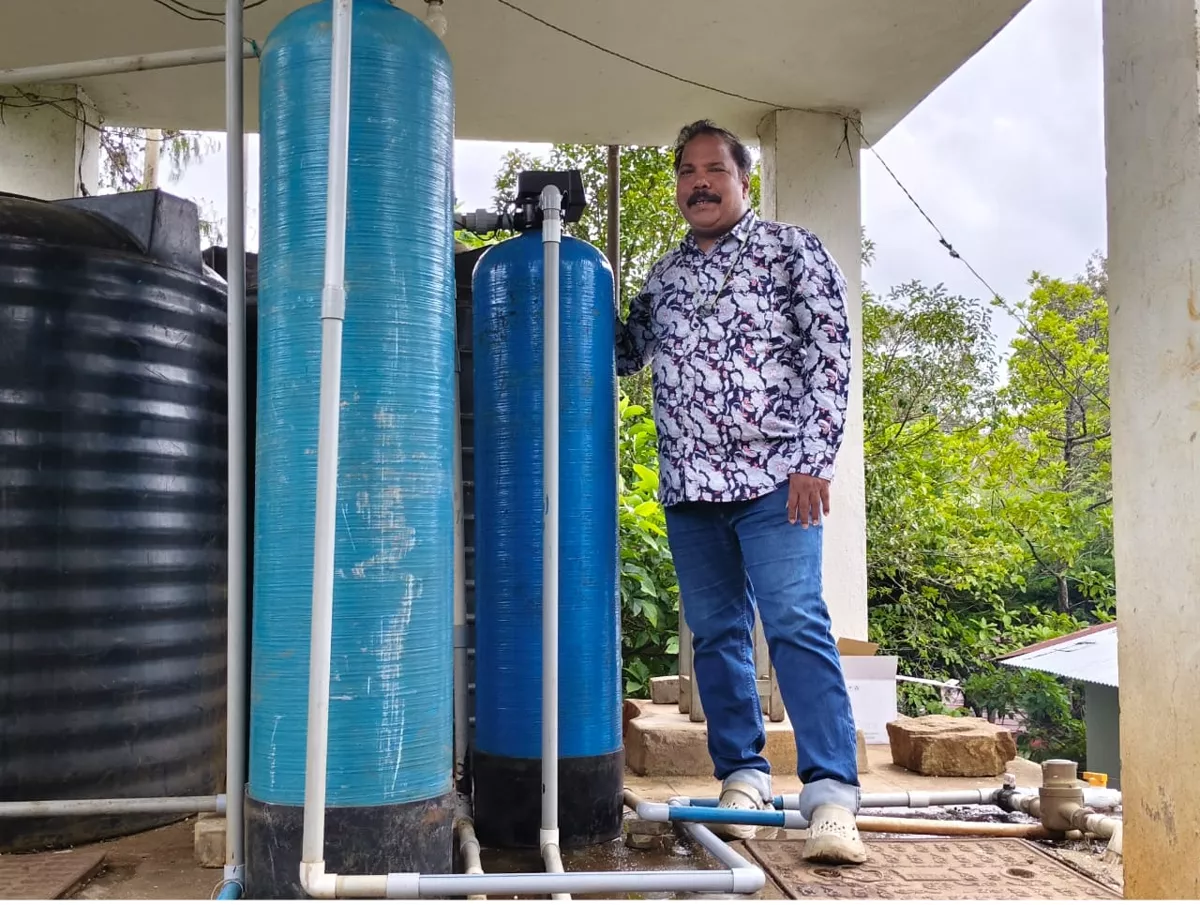
An iron filter oxidises dissolved iron so it turns into solid particles, then traps those particles in a filter bed. The bed is cleaned by a periodic backwash that flushes the trapped iron to drain.
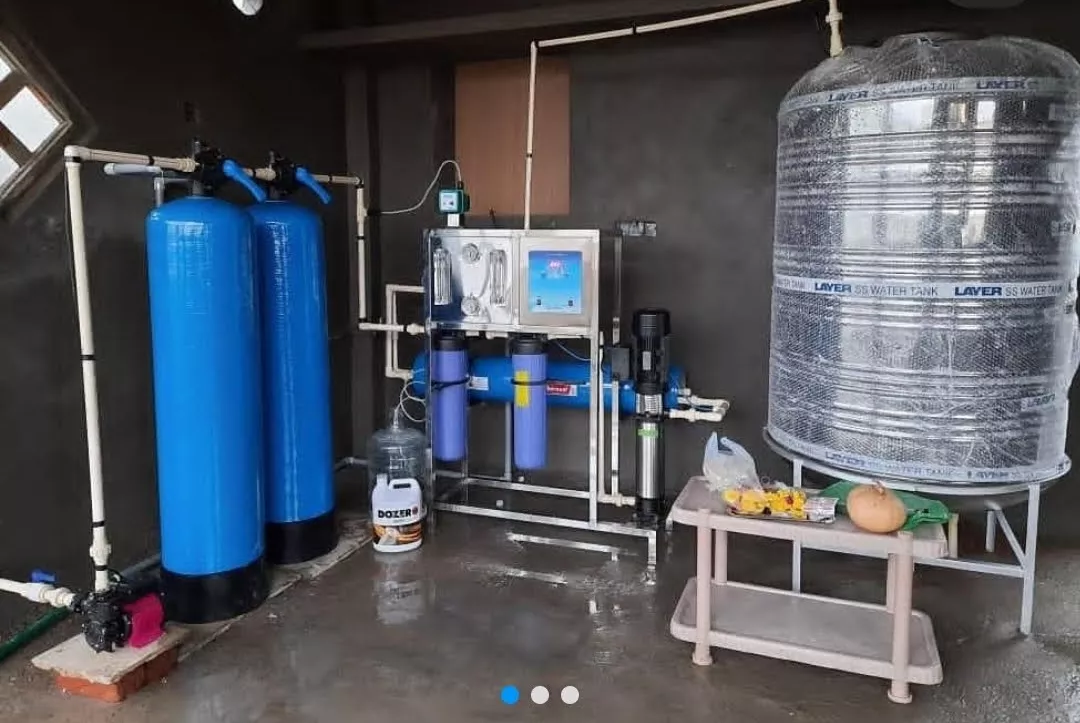
Where it fits in a treatment line
- Iron filter first, to remove iron and the stains it causes.
- Sand filter for silt and suspended solids.
- Water softener afterwards, to deal with hardness.
- Carbon filter for odour and taste, where needed.
Every borewell is different, so a quick on-site water test is the best way to confirm which stages you need and in what order.