Sand filter vs carbon filter: which one does your home need?
One removes the dirt you can see, the other the taste and smell you cannot. Here is how to choose.
Sand and activated carbon filters are often mentioned together, but they solve different problems. Knowing which does what helps you avoid paying for treatment you do not need.
What a sand filter does
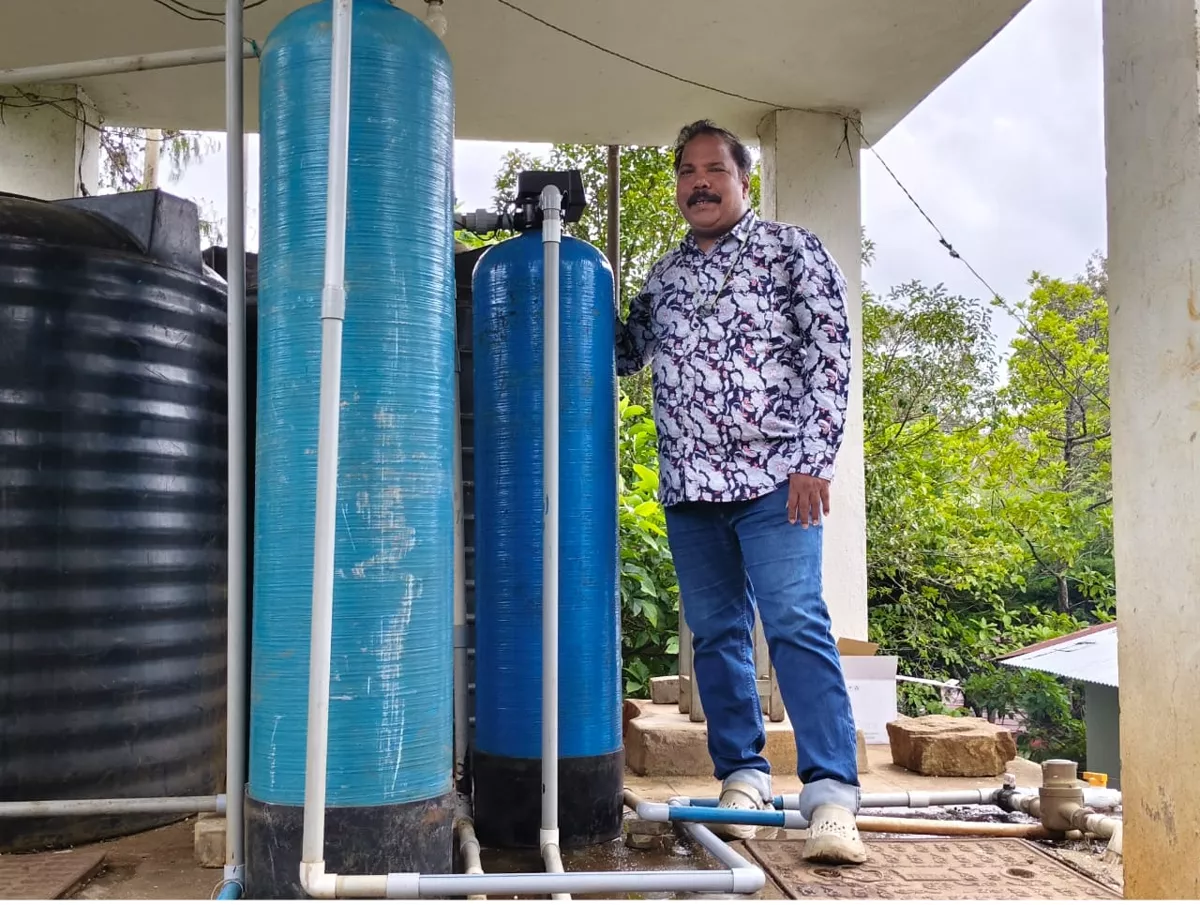
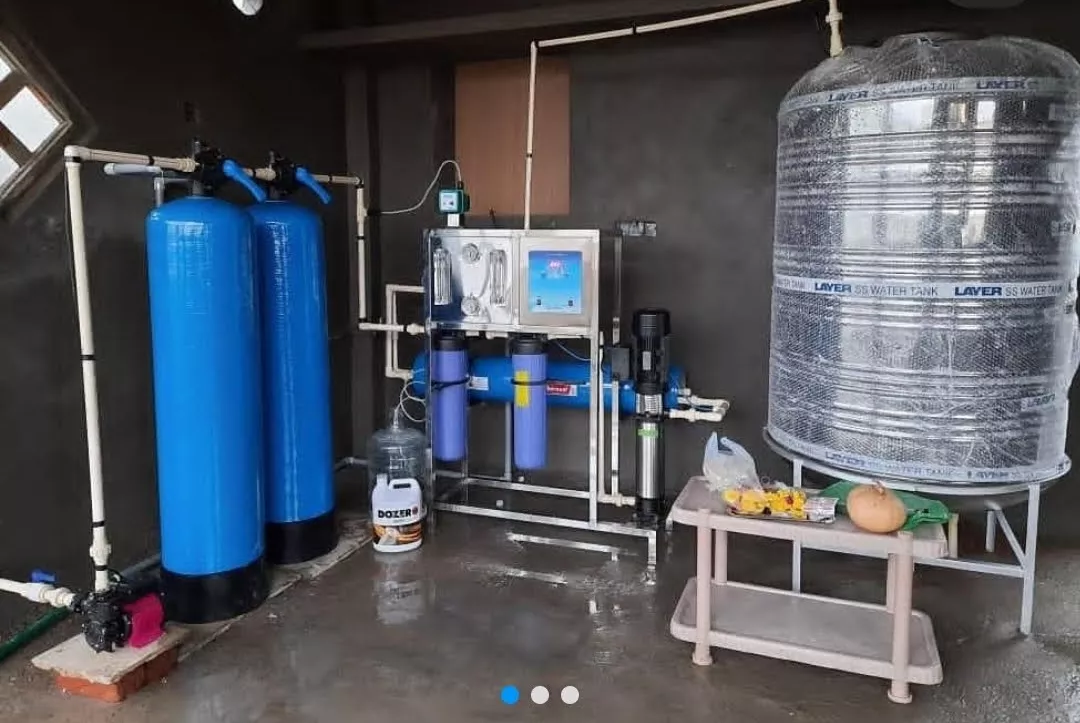
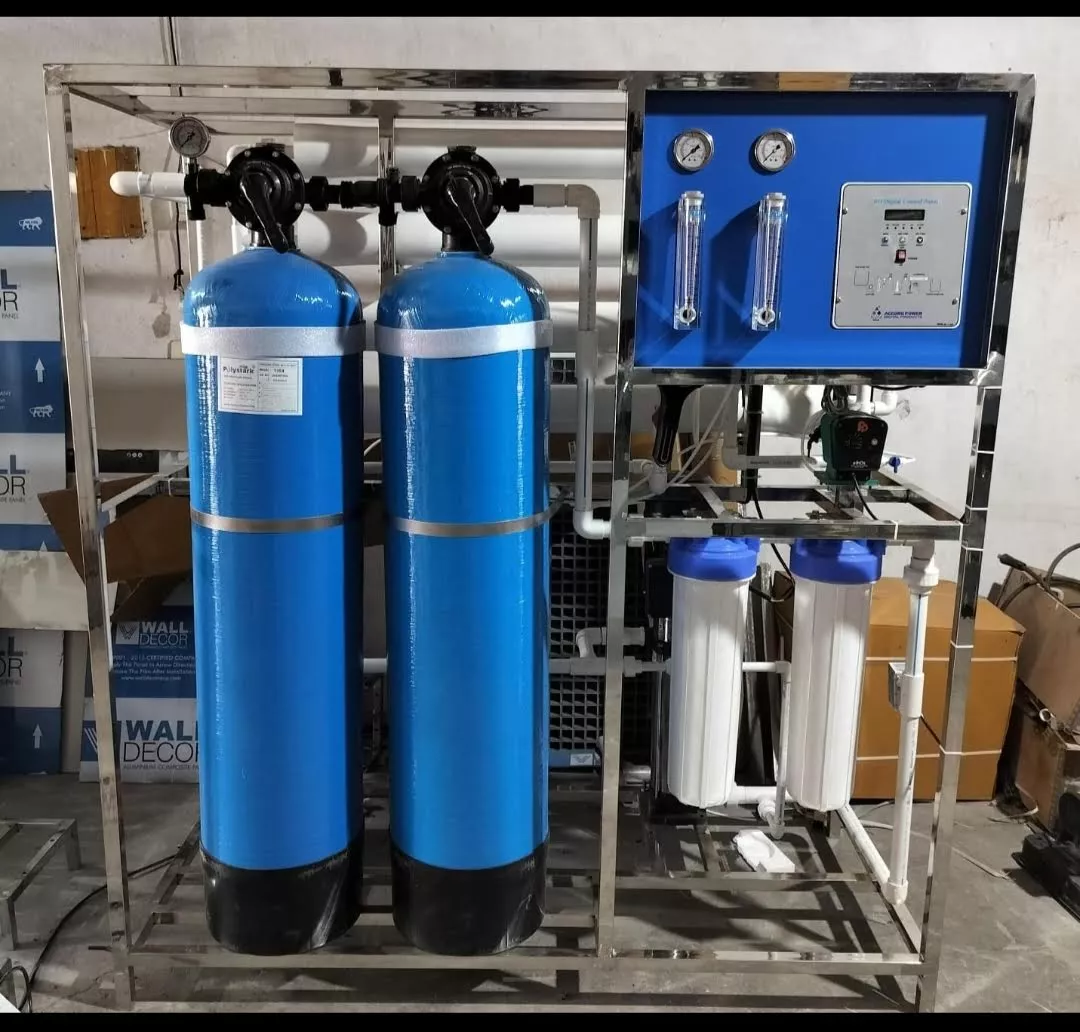
A multi-grade sand filter traps silt, sediment and other suspended solids as water passes down through layers of graded sand and gravel. It is the usual first stage for muddy or turbid borewell and tank water.
What an activated carbon filter does
Activated carbon adsorbs chlorine, many organic compounds and the substances that cause bad odour and taste. It improves how water smells and tastes but does not remove hardness or settle out heavy sediment.
Which one do you need?
- Cloudy, muddy or gritty water: start with a sand filter.
- Chlorine smell, odd taste or odour: add an activated carbon filter.
- Both problems: use sand first and carbon second, so the carbon is not clogged by sediment.
- Hard water or iron: these need a softener or iron filter as well.
Looking after them
Sand filters are backwashed on a schedule to flush trapped dirt, and carbon media is replaced periodically as it becomes saturated. An annual service keeps both performing well.
A short water test will show which stages your supply needs, so you only buy what makes a real difference.